Morning triage

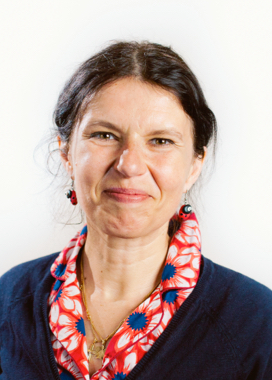
I arrive on site at around 8:00am. After a quick hello to the team on site, it is straight into triaging Animas received from patients that morning. As a GP team lead, I triage each Anima received within my group of GPs. Each patient gets assigned to the right member of the team- whether it’s their usual GP, or a specialist. We have a many teams that we direct Animas to – the urgent care team, the mental health nurses team, pharmacy team, first contact physiotherapy team and our nursing team. Animas are assessed for urgency, whether a patient requires an appointment on-the-day, the next day or whether a routine appointment would be more suitable. As a GP team lead, I need to keep an eye on Animas for the whole day. There are days when you cover for other teams too and the number of Animas that get through your workload quickly pile up! Across the whole partnership we triage around 500-1000 Animas every day.
 

Morning and afternoon clinics

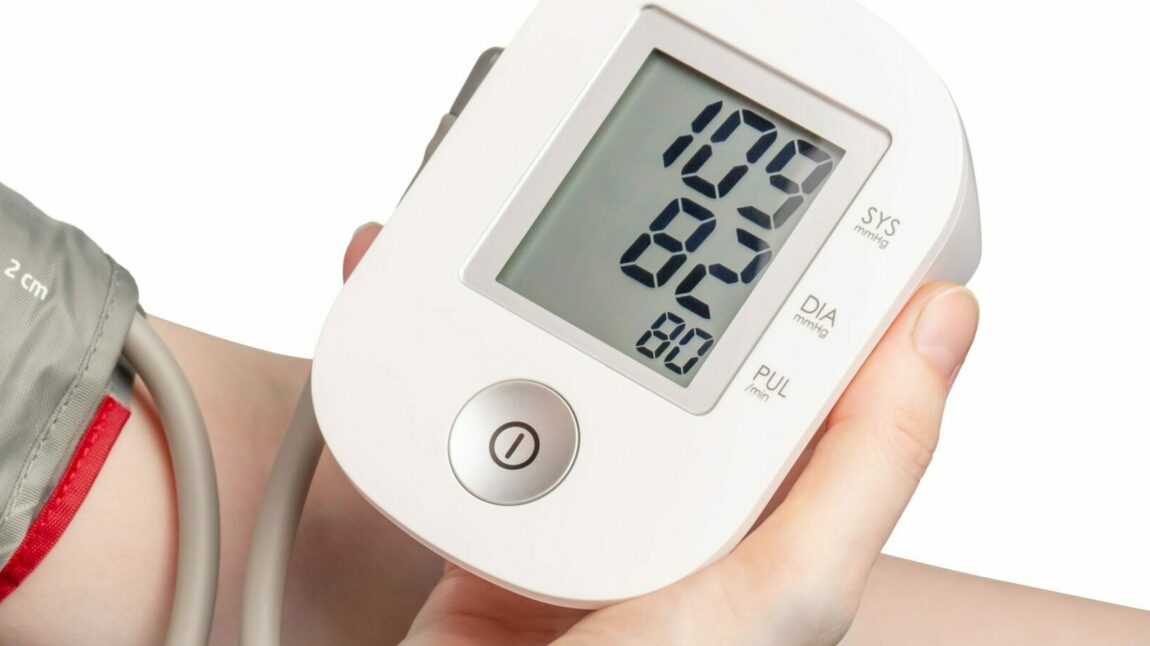
After triage I start my clinical sessions. The morning session typically runs from 09:00-13:00, the afternoon between 14:00 – 18:00. The workload is divided – one third for Anima responses and triage, one third seeing patients face-to-face and one third taking care of behind the scenes clinical work that supports patient care. I will see around six to eight face-to-face patients in each clinical session and around 20 calls each session. Between these sessions, I will catch up on admin tasks, such as writing up my notes, filing, actioning any referrals and tests etc.

Home visits, overseeing trainees and working with my team

Lunchtime is dedicated to either home visits or behind-the-scenes clinical work that supports patient care. I also oversee our trainee GPs and assist them with queries they have about their patients during their clinical sessions. I will also work with the practice nurses and answer any questions they may have about a patient or a procedure. I collaborate closely with the mental health nurses and physios and must oversee any prescriptions they require for patients.

Paperwork

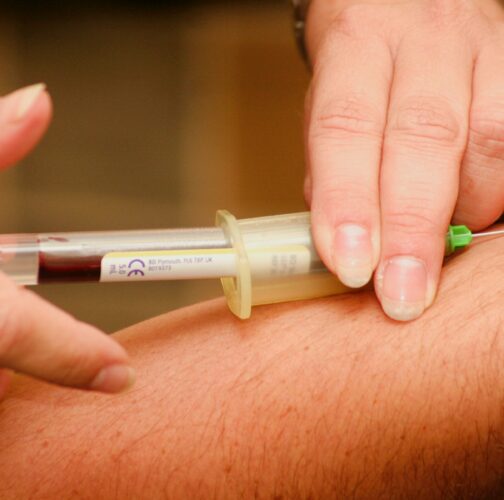
A hidden aspect of life as a GP is the paperwork! Prescriptions, blood tests and investigations results take up a lot of time. I usually look at least one hundred prescriptions every day! We also have a large volume of clinic letters to read and digest. I handle around 20 letters each day, they range from discharge summaries and referral letters to letters from consultants about a patient’s care. There are also tests results to review. There are usually around 50 sets of results each day from blood tests to lab results. These all require interpreting and following up with the patient for discussion, if needed, and any additional actions required to arrange for further treatment or tests.

Duty sessions and extended hours

I usually do one session of “Duty” each week. This means managing urgent on the day calls, acute assessments and emergency triaging, rather than seeing patients with pre-booked routine appointments. This can be around 50 calls each session. When clinic is finished at around 17:00 I have a few more hours to catch up on paperwork, admin and any discussions with my colleagues before heading home around 19:30. We often have Extended Access Clinics which means mainly telephone appointments in the evenings. If I am covering that I will finish at around 20:00.

Innovation in primary care

Primary care and how we practice medicine has changed significantly. Our understanding of many long-term health conditions has improved and cardiovascular diseases, diabetes and chronic kidney disease are now managed differently. New clinical guidelines recommend more regular blood tests, medication reviews and follow-up appointments to ensure treatment remains effective and to reduce the risk of disease progression.

Providing this level of care means that many patients have much more contact with their practice. To support this change and increase in demand we have adopted new ways of working, like our online consultation systems and other new technologies, including artificial intelligence, to support administrative and clinical processes.

 Being a GP is a privilege

I feel lucky to be a GP and I cherish my job and my patients. Patients put their trust in us and share their intimate problems with us, which is a huge privilege. It can be a hard and, at times, an overwhelming role, but it is more than worth it. Knowing my patients is the best part of the job, giving them continuity of care as their GP is very satisfying and gives me purpose. We have a wonderful community of patients around us. I could not do this job without my supportive colleagues, from the care co-ordinators, call handlers, all of our admin team, our dedicated nurses and HCA’s and my extraordinary GP colleagues who are always there to discuss difficult cases. Keeping patients safe and healthy is our priority, something that cannot be achieved without the team around us.